The Tokaido Lumière Express: How Japan Reimagined the Sleeper Train

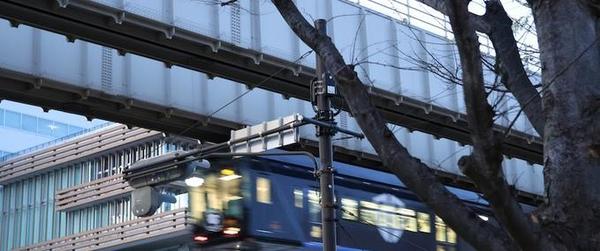
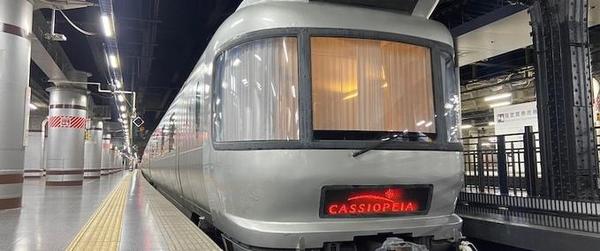
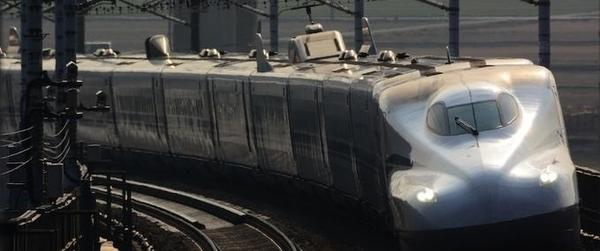
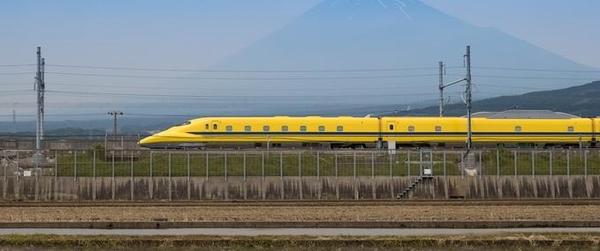
An overnight bullet train almost sounds like a contradiction.Since the Tokaido Shinkansen first began carrying passengers between Tokyo and Osaka in 1964, Japan's famous high-speed railway has all but eliminated the need to spend a full night aboard a train. Journeys that once required evening departures and morning arrivals can now be completed in little more than two hours. And, for generations, the Shinkansen has represented one simple idea: the fastest journey is the best one.Yet this summer...

5 Tokyo omiyage to bring back from your trip or recommend to visitors

These sweet gifts from Tokyo are surefire hits at the coffee table. Here’s what they signify – and what they taste likeIf you’ve ever passed through Tokyo Station or one of the city’s airports, you’ve probably seen them: rows of colourful, neatly packaged sweets.
Although often translated as ‘souvenir’, omiyage has a somewhat different meaning in Japanese. Rather than something you buy for yourself, it’s a gift you bring back for others. And in many cases – especially professional settings – it...

Shikanoshima: The Island Where Japan Met the World

Shikanoshima may be small, but its history reaches back to the very beginnings of Japan’s recorded past. Located at the mouth of Hakata Bay in Fukuoka Prefecture, the island is known for the discovery of a gold seal, believed to have been given by a Chinese emperor to a local ruler — one of the earliest physical pieces of evidence of Japan’s existence in written history. It was here, too, that the Mongol Empire launched two invasion attempts in the late 13th century, both of which ultimately fai...

A Torii Without a Shrine: The Forgotten History of Haneda Airport

Haneda is by far Japan’s busiest airport, handling well over 200,000 passengers each day. For many travelers, it is also their first encounter with Tokyo.


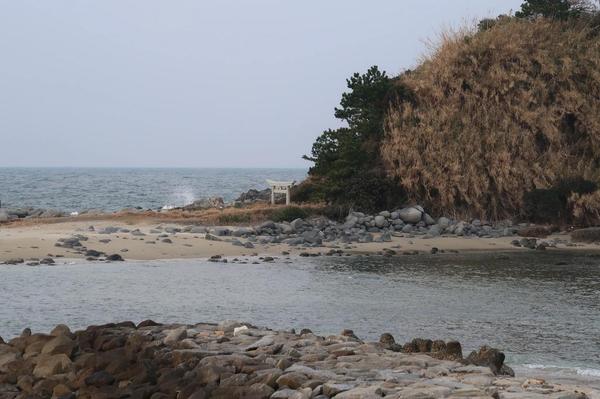
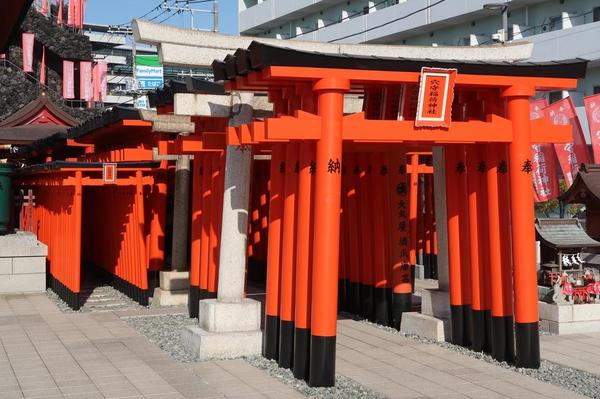
Yet very few of those people realize that just outside Haneda’s perimeter stands a lone torii (a traditional gate to a Shinto shrine) facing the runways. Unlike most torii in Japan, this one does not lead to a shrine, but marks the former site of Anamori Inari, a coastal shrine once central to the villages that occupied this land long befor...

Inside Japan’s Vending Machine Culture

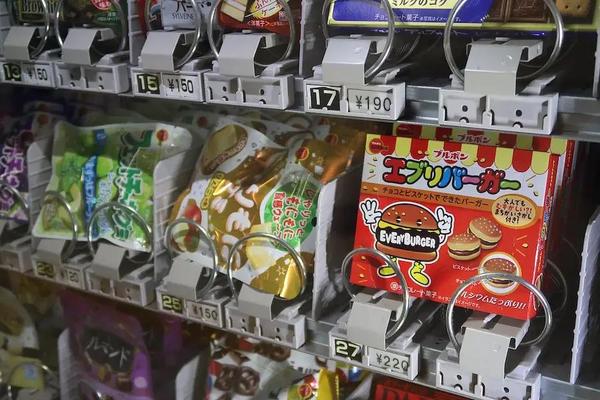
A vending machine dreamVending machines are literally everywhere in Japan. At first glance, they may seem ordinary, just another part of the urban landscape. Yet their sheer number is remarkable.Estimates vary, but Japan is believed to have roughly 4 to 5 million vending machines nationwide, or about one for every 25 to 30 people—among the highest per-capita concentrations in the world. Most sell drinks, from canned coffee to bottled tea. But even a “standard” machine can surprise overseas visit...

Why Omiya Deserves a Spot on Your Itinerary

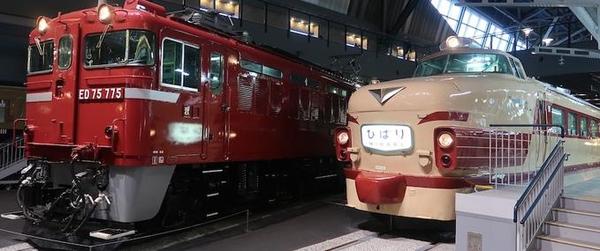
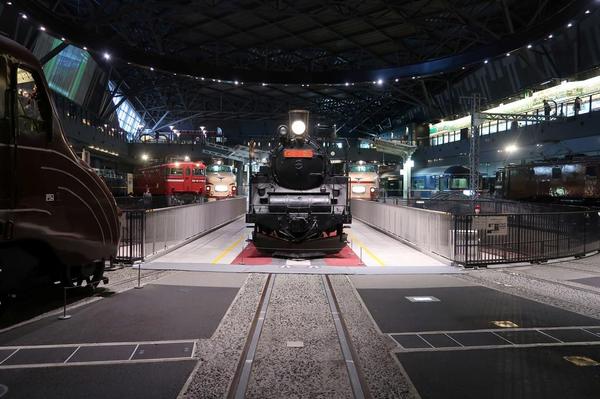
Less than an hour from central Tokyo, Omiya in Saitama Prefecture is one of the region’s most important transportation hubs. Fifteen rail lines converge here—including six Shinkansen routes—making the city a gateway to northern and eastern Japan. That and the fact it has one of the country’s largest railway museums has turned Omiya into something of a pilgrimage site for train enthusiasts.


Despite this, Saitama has long carried the nickname “Dasaitama,” a mash-up of dasai (“uncool” or “lame”)...

Step Aboard the Soya: Tokyo’s Antarctic Icebreaker

Permanently moored in Odaiba (near the site of the now closed, ship-shaped Museum of Maritime Science) the retired icebreaker Soya has lived several lives. Built before WWII, repurposed during it, and later sent to Antarctica, the ship’s long career mirrors some of the most dramatic changes in Japanese history. Now preserved as a museum ship, Soya offers visitors an easy but rewarding stop, where decades of history unfold within a short, walkable visit along Tokyo Bay.


The Soya was first laid...

A Nostalgic Japanese Landscape - A Relaxing Inn in the Mountains to Revitalize Your Body and Mind

In the quieter parts of Japan, life moves at a different pace. From thoughtfully renovated farmhouses and traditional ryokan to coastal villages and stunning natural landscapes, these accommodations offer a nostalgic retreat for guests who want to unwind and relax. What’s more, they provide a meaningful way to reconnect with the land and its traditions—by experiencing time-honored building techniques, local cuisine, and living history firsthand.

Five Cycling Routes in Setouchi

Sandwiched between Honshu, Shikoku, and Kyushu, the Setouchi region is a calm, island-dotted corner of western Japan best known for its Mediterranean-like climate and sparkling inland sea. It’s also one of Japan’s premier cycling destinations, with a network of routes — most notably the iconic Shimanami Kaido, which links Onomichi in Hiroshima Prefecture with Imabari in Ehime Prefecture — that appeal to both casual and more professional cyclists.
Load More